Kidneys play a vital role in keeping your body healthy by filtering waste, balancing fluids, and controlling blood pressure. However, kidney problems often develop silently, showing symptoms only in advanced stages. Understanding the kidney disease causes and recognizing early warning signs can help you take timely action and prevent serious complications.
In this blog, we will explore the major causes, symptoms, and risk factors of kidney disease, along with practical guidance on early detection and prevention.
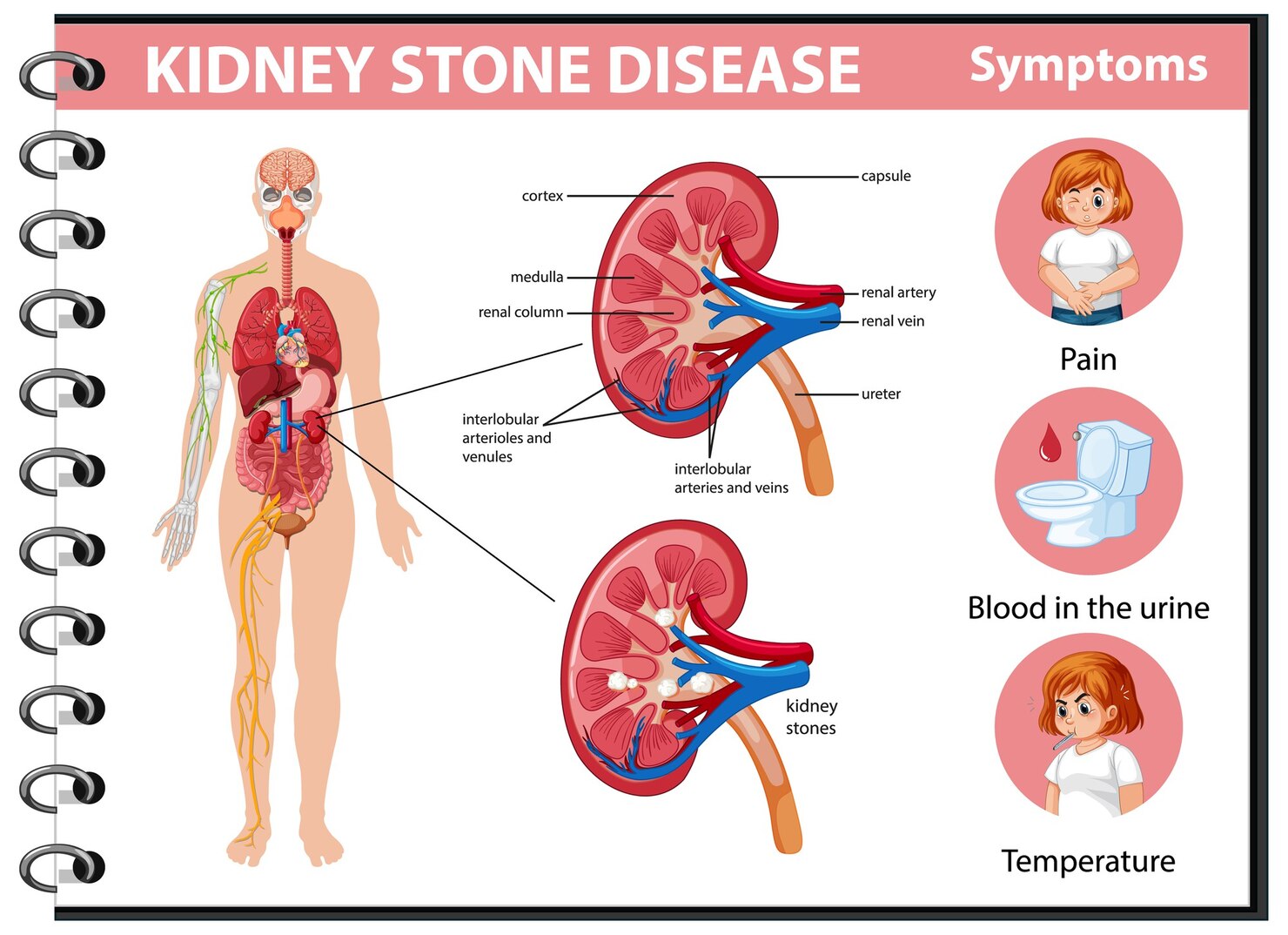
What Are the Main Causes of Kidney Disease?
There are several kidney disease causes, ranging from lifestyle habits to underlying health conditions. Identifying these causes early is crucial for effective treatment.
Common causes include:
- Diabetes (leading cause worldwide)
- High blood pressure
- Chronic infections
- Genetic disorders
- Autoimmune diseases
- Long-term use of certain medications
Understanding these kidney disease causes helps in taking preventive measures and reducing long-term risks.
Common Symptoms of Kidney Disease You Should Never Ignore
Recognizing the symptoms of kidney disease early can help prevent severe damage.
Watch for these signs:
- Swelling in legs, feet, or face
- Fatigue and weakness
- Changes in urination (frequency, color, or foam)
- Loss of appetite
- Nausea or vomiting
- Difficulty concentrating
These signs your kidneys are failing should never be ignored and require immediate medical attention.
What Causes Kidney Failure? Understanding the Key Factors
Many people wonder what causes kidney failure. It usually occurs when kidneys lose their ability to function properly over time.
Major causes:
- Uncontrolled diabetes
- Severe high blood pressure kidney damage
- Chronic kidney infections
- Blockage in urinary tract
- Long-term untreated kidney disease
Early diagnosis of these kidney disease causes can help prevent kidney failure and improve outcomes.
Chronic Kidney Disease Symptoms: Early and Advanced Warning Signs
Chronic kidney disease symptoms often develop slowly, making them hard to detect in early stages.
Early symptoms:
- Mild fatigue
- Slight swelling
- Frequent urination at night
Advanced symptoms:
- Severe swelling
- Breathlessness
- Persistent nausea
- Confusion
Understanding these chronic kidney disease symptoms helps in early intervention and better management.
Diabetes and Kidney Disease Connection: What You Need to Know
The diabetes and kidney disease connection is one of the most important factors in kidney health.
High blood sugar levels damage the tiny blood vessels in the kidneys, reducing their ability to filter waste effectively. Over time, this leads to kidney damage and eventually kidney failure.
Managing diabetes properly is key to preventing these kidney disease causes.
How High Blood Pressure Leads to Kidney Damage
High blood pressure kidney damage is another major cause of kidney disease.
When blood pressure remains high:
- It puts stress on kidney blood vessels
- Reduces filtering efficiency
- Causes gradual kidney damage
Controlling blood pressure is essential to reduce the risk of kidney disease causes and protect overall health.
Top Kidney Disease Risk Factors You Should Be Aware Of
Certain conditions and habits increase the risk of developing kidney problems.
Key kidney disease risk factors:
- Diabetes and hypertension
- Family history of kidney disease
- Smoking and alcohol consumption
- Obesity
- Poor diet and lack of exercise
- Aging
Being aware of these kidney disease risk factors helps you take preventive steps early.
Signs Your Kidneys Are Failing: When to Seek Medical Help
It’s important to recognize the signs your kidneys are failing and seek medical help immediately.
Serious warning signs:
- Severe swelling in body
- Shortness of breath
- Persistent fatigue
- Decreased urine output
- Chest pain or pressure
If you experience any of these symptoms, consult a specialist immediately to address underlying kidney disease causes.
How to Detect Kidney Disease Early: Tests and Diagnosis
Early detection plays a crucial role in managing kidney health. Knowing how to detect kidney disease early can save lives.
Common diagnostic tests:
- Blood tests (creatinine, urea levels)
- Urine tests (protein, infection)
- Ultrasound imaging
- Kidney biopsy (in some cases)
Regular health check-ups help identify symptoms of kidney disease before they become severe.
Kidney Infection Symptoms and Causes Explained
Understanding kidney infection symptoms and causes is important for timely treatment.
Symptoms:
- Fever and chills
- Back or side pain
- Burning sensation while urinating
- Frequent urge to urinate
Causes:
- Bacterial infections
- Untreated urinary tract infections (UTIs)
Early treatment prevents infections from turning into serious kidney disease causes.
Difference Between Kidney Infection and Kidney Disease Symptoms
Although they may seem similar, kidney infections and chronic kidney disease are different.
- Kidney infections are usually sudden and caused by bacteria
- Kidney disease develops slowly over time
- Infection symptoms include fever and pain
- Chronic disease symptoms include fatigue and swelling
Understanding the difference helps in identifying the right kidney disease causes and treatment approach.
Early vs Late Stage Kidney Disease Symptoms: A Complete Guide
Early Stage:
- Mild symptoms or none
- Slight changes in urination
- Easily manageable
Late Stage:
- Severe symptoms
- Significant kidney damage
- Requires advanced treatment
Recognizing early-stage chronic kidney disease symptoms can prevent progression to severe stages.
How Lifestyle Choices Contribute to Kidney Disease Risk
Your daily habits play a major role in kidney health.
Risky lifestyle choices:
- High salt and processed food intake
- Lack of physical activity
- Smoking and alcohol use
- Inadequate water intake
Making healthy lifestyle changes can reduce kidney disease causes and improve overall well-being.
Why Choose Dr. Raghavendra Pradeep
When it comes to kidney care, expert guidance is essential. Dr. Raghavendra Pradeep is a trusted specialist for diagnosing and managing kidney diseases.
Why choose us:
- Expertise in kidney disease treatment
- Advanced diagnostic facilities
- Personalized care plans
- Focus on prevention and long-term health
We help patients understand the root kidney disease causes in their specific case and guide them toward better health.
FAQs – Kidney Disease Causes & Symptoms
The most common kidney disease causes include diabetes, high blood pressure, infections, and genetic conditions. Lifestyle factors like poor diet and smoking also contribute significantly.
Early symptoms of kidney disease include fatigue, mild swelling, and changes in urination. These symptoms are often ignored, which can delay diagnosis.
The main answer to what causes kidney failure is uncontrolled diabetes and high blood pressure. These conditions damage kidney function over time.
Common signs your kidneys are failing include swelling, reduced urine output, breathlessness, and severe fatigue. Immediate medical attention is required.
To understand how to detect kidney disease early, regular blood and urine tests are essential. Early detection helps prevent serious complications.
Kidney infection symptoms and causes include fever, pain, and bacterial infections. Prompt treatment prevents long-term kidney damage.
Conclusion
Kidney health is often overlooked until serious problems arise. Understanding the kidney disease causes and recognizing early warning signs can help you take control of your health and prevent complications.
In conclusion, early diagnosis, proper lifestyle changes, and expert medical care are essential to managing kidney problems effectively. At Dr. Raghavendra Pradeep, patients receive expert guidance, accurate diagnosis, and advanced treatment for all kidney-related conditions. If you notice any symptoms, don’t delay—your kidneys deserve timely care and attention.