Kidney disease is a growing health concern that affects millions of people worldwide. One of the most common questions patients ask is, can kidney disease be reversed? The answer depends on the stage of the disease, its cause, and how early it is detected.
While some forms of kidney damage can be managed or even improved, others may require long-term treatment. In this blog, we will explore the facts about kidney health, understand kidney disease stages, and learn whether recovery is possible.
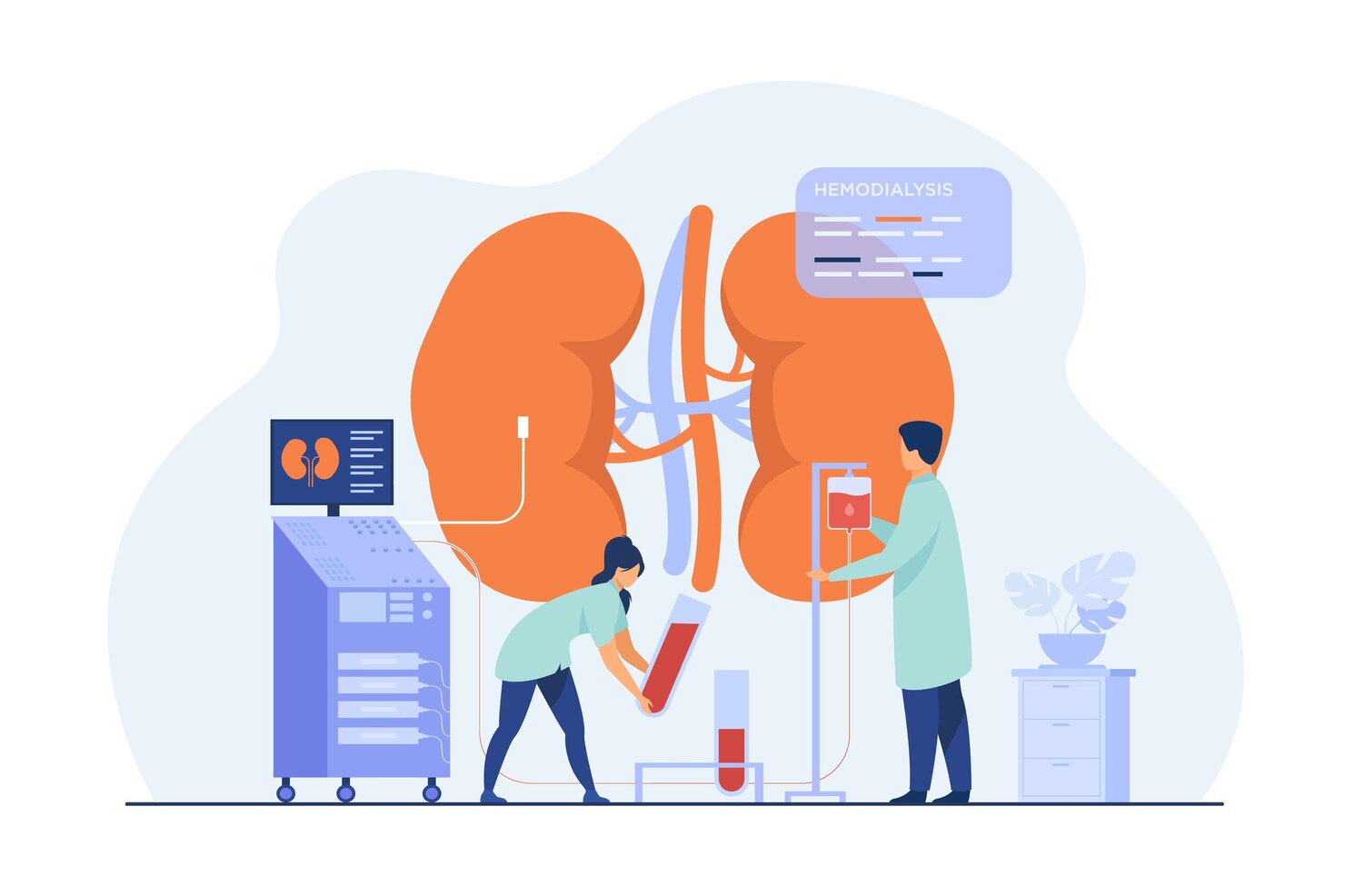
Understanding Kidney Disease
Kidneys play a vital role in filtering waste, balancing fluids, and maintaining overall health. When they stop functioning properly, it leads to kidney disease.
Common causes include:
- Diabetes
- High blood pressure
- Infections
- Genetic conditions
- Certain medications
Recognizing early warning signs is important to prevent complications and understand how to stop kidney disease progression.
Kidney Disease Stages Explained
Kidney disease progresses in stages, from mild damage to complete kidney failure.
Stages of kidney disease:
- Stage 1: Mild damage with normal function
- Stage 2: Slight reduction in function
- Stage 3: Moderate damage
- Stage 4: Severe damage
- Stage 5: Kidney failure (end-stage)
Understanding these kidney disease stages helps determine whether early stage kidney disease reversal is possible.
Can Kidney Disease Be Reversed?
The big question remains: can kidney disease be reversed?
The truth:
- Early-stage kidney disease can often be managed and sometimes improved
- Advanced stages usually cannot be fully reversed
- Treatment focuses on slowing progression
In early cases, whether is kidney damage reversible becomes a realistic possibility with proper care and lifestyle changes.
Can Chronic Kidney Disease Be Reversed?
Chronic Kidney Disease (CKD) develops slowly over time and is usually long-term.
Important facts:
- Whether can chronic kidney disease be reversed? In most cases, no
- However, it can be controlled and progression can be slowed
- Early detection plays a key role
Managing CKD effectively can improve quality of life and prevent complications.
Acute Kidney Injury: Is It Reversible?
Unlike chronic conditions, acute kidney injury (AKI) occurs suddenly.
Good news:
- Acute kidney injury reversible cases are quite common
- With timely treatment, kidney function can return to normal
- Causes include dehydration, infections, or medication reactions
Early medical care is crucial for recovery.
Can Kidneys Heal Themselves?
Many people wonder, can kidneys heal themselves?
The answer:
- Kidneys have some ability to recover, especially in early stages
- However, severe or long-term damage may not be fully reversible
- Medical treatment and lifestyle changes support healing
Supporting your kidneys early increases the chances of recovery.
Kidney Failure Symptoms You Should Not Ignore
Recognizing kidney failure symptoms early can make a big difference.
Common symptoms:
- Swelling in legs and feet
- Fatigue and weakness
- Reduced urine output
- Nausea or vomiting
- Shortness of breath
These signs indicate worsening kidney function and require immediate attention.
Early Stage Kidney Disease Reversal: What You Can Do
If diagnosed early, there are ways to improve kidney health and support early stage kidney disease reversal.
Steps you can take:
- Control blood pressure and blood sugar
- Follow a healthy diet
- Stay hydrated
- Avoid harmful medications
- Exercise regularly
These steps can help slow or even reverse early damage.
Kidney Disease Reversal Diet
Diet plays a crucial role in kidney health. Following a proper kidney disease reversal diet can support recovery.
Recommended diet tips:
- Reduce salt intake
- Limit processed and junk foods
- Eat fresh fruits and vegetables
- Control protein intake
- Avoid excessive sugar
A balanced diet helps reduce the burden on kidneys and supports healing.
How to Stop Kidney Disease Progression
Even if reversal is not possible, understanding how to stop kidney disease progression and slowing down the disease is achievable.
Key preventative measures:
- Regular medical checkups
- Managing underlying conditions like diabetes
- Taking prescribed medications
- Avoiding smoking and alcohol
- Maintaining a healthy lifestyle
These measures help preserve kidney function for a longer time.
When to Consult a Kidney Specialist
You should consult a doctor if you experience:
- Persistent swelling
- Changes in urination
- Unexplained fatigue
- High blood pressure
Early consultation improves the chances of managing the condition effectively.
Why Choose Dr. Raghavendra Pradeep
When it comes to kidney care, expert guidance is essential. Dr. Raghavendra Pradeep is a trusted specialist for diagnosing and managing kidney diseases.
Why choose us:
- Expertise in kidney disease treatment
- Advanced diagnostic facilities
- Personalized care plans
- Focus on prevention and long-term health
We help patients understand whether can kidney disease be reversed in their specific case and guide them toward better health.
FAQs – Kidney Disease Reversal
Whether can kidney disease be reversed completely depends heavily on the stage. Early-stage kidney disease may improve significantly, but advanced stages are usually not fully reversible.
The answer to can chronic kidney disease be reversed is generally no, but it can be effectively controlled and its progression can be slowed down with proper treatment.
Yes, understanding if kidney damage reversible in early stages is key. It is highly possible to manage and improve with active lifestyle changes, proper medication, and medical care.
To some extent, can kidneys heal themselves holds true, especially during acute scenarios or very early stages, but timely medical support is almost always required.
Kidney failure symptoms include swelling, persistent fatigue, reduced urine output, and breathing issues, all of which require immediate medical attention.
Learning how to stop kidney disease progression includes managing underlying chronic conditions like diabetes, following a targeted kidney diet, and attending regular clinical checkups.
Conclusion
In conclusion, the question can kidney disease be reversed does not have a simple yes or no answer. While early-stage kidney disease can often be improved or managed, advanced stages require long-term care and monitoring.
Understanding the symptoms, following a healthy lifestyle, and seeking timely medical help are key to protecting your kidney health. With expert guidance from Dr. Raghavendra Pradeep, you can take the right steps toward managing kidney disease and improving your quality of life. Don’t ignore the signs—early action can make all the difference.